
Can Animals Sense Death Before It Happens? What Science Says
Can animals sense death before it happens? Discover Oscar the cat, bees, rats, and sharks, and what science reveals about their ability to detect biological signals.
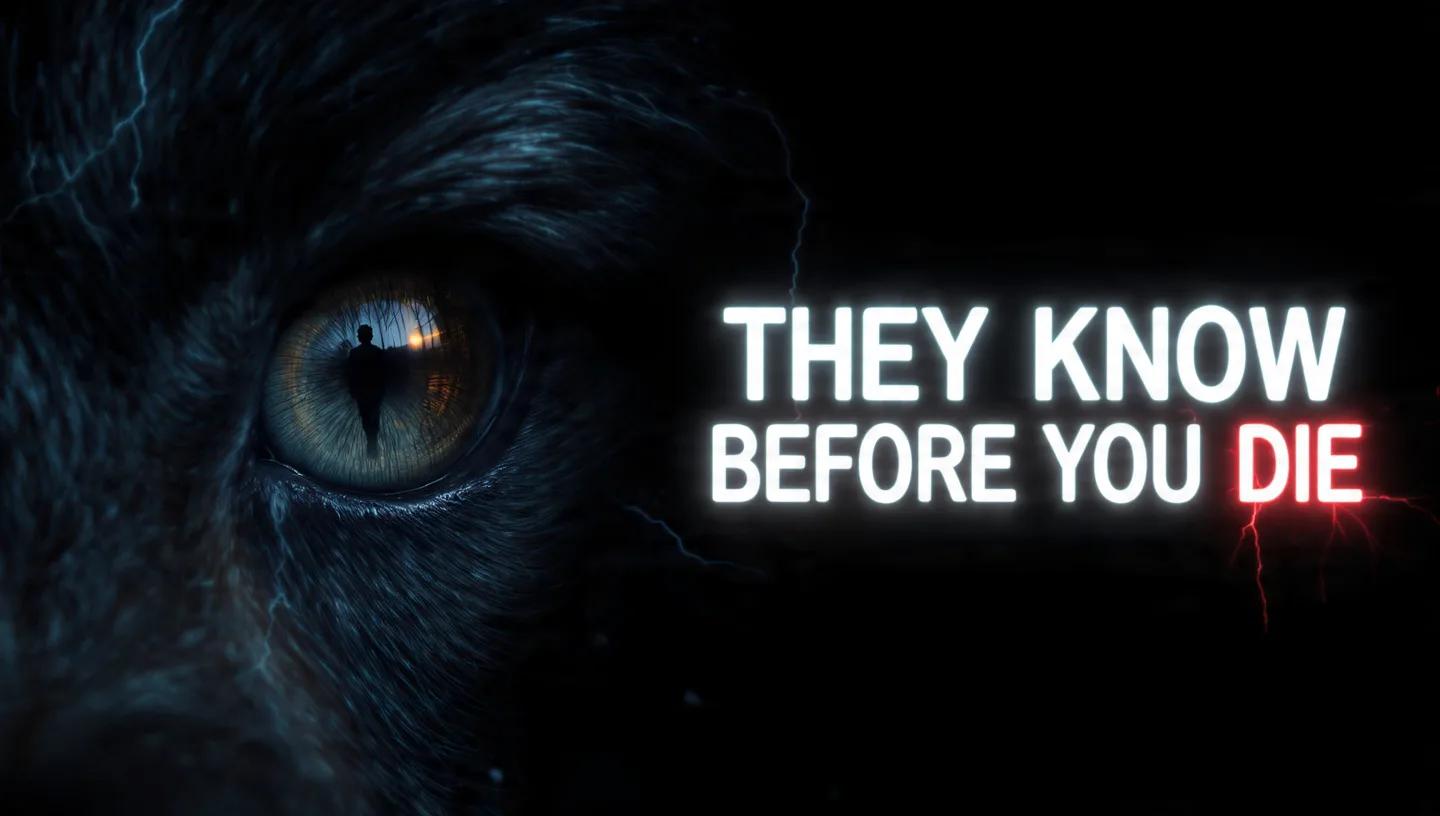
Can Animals Sense Death? What Science Really Says
Have you ever seen a dog become unusually attentive when its owner is seriously ill? Or heard stories about elephants touching the bodies of dead companions, as if they were trying to understand what happened?
Stories like these have fascinated people for generations. Some animals seem to notice changes that humans overlook, while others behave in remarkable ways around illness and death. It is natural to wonder whether they can sense when death is approaching.
The scientific answer is more complicated than a simple yes or no. Some animals can detect subtle changes in smell, movement, and behavior. Others show responses to dead members of their own species that researchers are still trying to understand. However, there is no strong scientific evidence that animals can reliably predict exactly when a person or another animal will die.
So, what might explain these extraordinary behaviors? From dogs that can detect signs of illness to elephants investigating their dead companions and a cat named Oscar who became famous for staying beside dying patients, science offers some fascinating clues.
Animals Can Notice Small Changes Humans Miss
Animals experience the world differently from humans. Dogs rely heavily on their sense of smell, many species can hear sounds outside our hearing range, and some animals are exceptionally sensitive to movement and changes in their surroundings.
When someone becomes seriously ill, their body and daily behavior may change. Their body odor can shift, their breathing may become different, their movements may slow down, or their usual routine may be disrupted. Depending on the circumstances, an animal that spends a lot of time with that person might notice some of these differences.
Pets also learn what is normal for the people they live with. A dog may recognize its owner's usual walking pattern, voice, mood, and daily habits. When something changes, the dog may respond by staying closer, becoming more alert, or behaving differently.
To an observer, this can look as though the animal knows something serious is about to happen. But there is an important distinction: detecting a change is not the same as knowing that death is near. An animal may be responding to signals it can detect without understanding what those signals mean.
Can Dogs Smell When Someone Is Sick?
A dog's sense of smell is remarkably powerful. Dogs can detect certain odors at concentrations far below what humans can usually notice, which is one reason researchers have investigated their ability to identify signs of disease.
Studies have explored whether trained dogs can recognize odor patterns associated with conditions such as certain cancers, infections, and changes in blood glucose levels. In some research settings, dogs have distinguished samples associated with particular medical conditions from comparison samples.
These findings suggest that changes in human health can sometimes produce detectable chemical signals. However, the accuracy of scent detection varies depending on the condition, training, testing methods, and study design. Research findings do not mean that every dog can diagnose an illness simply by smelling someone.
Could a dog notice that its owner is seriously ill? It is possible. Changes in body odor, breathing, movement, or daily routine may be noticeable to a familiar pet. The dog might react by following the person more closely, resting beside them, or appearing unusually attentive.
But detecting signs associated with illness does not prove that a dog can predict death. Scientists have not established that dogs can consistently identify when a person will die or determine the exact timing of death through smell or behavior.
Why Do Elephants Visit Their Dead Companions?
Elephants are highly social animals that form long-lasting relationships within their family groups. They recognize familiar individuals, communicate in complex ways, and depend on social connections throughout their lives. Their behavior around dead elephants has therefore attracted considerable scientific interest.
Researchers have observed elephants approaching dead companions, touching their bodies with their trunks, investigating bones, and sometimes returning to the remains later. They may pay particular attention to the head, mouth, or tusks, although their responses can vary between encounters.
These observations raise intriguing questions. Are elephants investigating an unfamiliar situation? Do they recognize the dead animal as a former companion? Are they responding to the absence of a familiar member of their group?
Scientists cannot directly ask elephants what they understand about death, so they must study their behavior and the circumstances in which it occurs. Some observations are consistent with social attachment and responses to death, but interpreting the precise thoughts or emotions behind them is difficult.
Elephant behavior around dead companions is remarkable, but it does not demonstrate that elephants can predict death before it happens. Instead, it offers a valuable opportunity to study how intelligent, social animals respond when a member of their group dies.
Oscar the Cat: The Cat Famous for Predicting Death
One of the most widely reported stories about animals and death involves a cat named Oscar, who lived at a nursing and rehabilitation facility in Rhode Island, United States.
Oscar became famous after staff members noticed that he sometimes settled beside residents who died not long afterward. According to a 2007 report in the New England Journal of Medicine, the cat appeared to spend time with certain residents during their final hours. Staff reportedly began notifying families when Oscar chose to stay beside a patient.
The story attracted widespread attention because it raised an intriguing question: how could a cat appear to recognize when someone was approaching the end of life?
One possibility is that Oscar responded to subtle changes in the residents or their environment. Changes in body odor, movement, breathing, temperature, or the general atmosphere around a patient might have influenced his behavior. However, these are hypotheses rather than confirmed explanations for Oscar's actions.
It is also important to remember that the story was a reported observation, not a controlled scientific experiment designed to test whether cats can predict death. Without systematic testing, it is difficult to determine how consistently the behavior occurred or what caused it.
Oscar's story remains fascinating, but it does not establish that cats possess a special ability to predict death. It highlights a question worth investigating rather than providing a definitive scientific answer.
Why Do Animals Act Differently Around Sick People?
Imagine living with the same person for years. You become familiar with their voice, movements, daily schedule, and even the sounds they make when they enter a room. For a pet, these repeated experiences help establish what normal behavior looks and smells like.
Now imagine that person becomes seriously ill. They might spend more time in bed, eat less, breathe differently, or stop doing activities they normally enjoy. A pet that is sensitive to these changes may respond by staying nearby, following the person around, or behaving differently from usual.
Animals may also respond to changes in human emotions and interactions. A person who feels unwell might move differently, speak less, or behave in ways their pet has learned to associate with discomfort. The animal does not necessarily need to understand the underlying illness to notice that something has changed.
These behaviors can feel especially meaningful during a difficult time. However, it is important not to interpret every unusual action as a sign that an animal knows death is approaching. Pets may also change their behavior because of stress, changes in routine, unfamiliar visitors, or other environmental cues.
In many cases, the simplest explanation may be that an attentive animal has noticed something unusual. That ability is impressive in its own right, even without assuming that the animal can predict the future.
Do Animals Understand Death?
Can animals understand that death is permanent? Do they recognize that a dead companion will not return? These are difficult questions because animals cannot explain their experiences to us in words.
Instead, scientists observe how animals behave around dead individuals and how their behavior changes afterward. Depending on the species and circumstances, animals may inspect a body, remain nearby, avoid the area, or show changes in their social behavior.
Researchers studying elephants, primates, cetaceans, and other social animals have documented responses to dead companions. These observations suggest that death can have a significant behavioral impact on some animals. In certain cases, their actions may be consistent with attachment, distress, or changes in social relationships.
However, observing a behavior does not automatically tell us what an animal understands or feels. A response to a dead companion does not necessarily mean the animal has the same concept of death as a human being. Scientists must distinguish what they can directly observe from interpretations about an animal's internal experience.
Research in this area continues to develop. The more carefully scientists study animal behavior, the better they may understand how different species recognize death, respond to loss, and maintain social bonds.
Can Animals Predict Death Before It Happens?
Stories about animals sensing death often combine several different ideas: detecting illness, responding to changes in a familiar person, reacting to a dying animal, and predicting the moment death will occur. These possibilities should not be treated as if they were the same thing.
There is evidence that some animals can detect specific odors associated with certain medical conditions. Researchers have also documented animals investigating dead companions and responding to changes in familiar individuals. These are real areas of scientific study.
What remains unproven is the claim that animals can reliably predict death itself. A pet staying beside someone who later dies may seem to have anticipated the event, but an observation like this cannot establish that the animal knew what was going to happen. Researchers would need carefully designed studies, reliable records, and repeatable results to test such a claim.
It is also possible for people to remember remarkable coincidences more readily than occasions when an animal's behavior did not match a later event. This can make a story appear more conclusive than the available evidence supports.
The most scientifically responsible conclusion is that animals can be sensitive to changes that humans may miss, but there is currently no convincing evidence that they possess a reliable, general ability to foresee death. More research is needed to understand the signals they detect and how they interpret them.
Final Thoughts: What Animals May Sense About Death
Can animals sense death before it happens? The answer depends on what we mean by "sense."
Animals can detect certain smells, notice subtle changes in familiar people, and respond to the bodies of dead companions. Some of these abilities are supported by scientific research, while other behaviors remain difficult to explain fully.
Stories about Oscar the cat and observations of elephants around their dead companions remind us how much there is still to learn about animal perception and social behavior. They invite us to investigate these questions carefully rather than dismissing them—or accepting every explanation without evidence.
But detecting a change in someone's condition is not the same as knowing when that person will die. At present, science has not demonstrated that animals can reliably predict the timing of death.
Perhaps the most interesting lesson is that animals may notice far more about their surroundings than we realize. Understanding their senses and behavior could help us discover new things about communication, illness detection, social bonds, and the many ways different species experience the world.
If you enjoy exploring animal intelligence, unusual wildlife behavior, and the science behind nature's biggest mysteries, follow UltraFactX Studio for more fascinating discoveries.
Sources & Further Reading
- A Day in the Life of Oscar the Cat — David M. Dosa Book (Jul 26, 2007) DOI: 10.1056/NEJMp078108
- Elephant behavior toward the dead: A review and insights from field observations — Shifra Z. Goldenberg and George Wittemyer Book (Jan 1, 2020) DOI: 10.1007/s10329-019-00766-5
- Canine olfactory detection and its relevance to medical detection — Paula Jendrny et al. Book (Aug 19, 2021) DOI: 10.1186/s12879-021-06523-8
Frequently Asked Questions
UltraFactX Editorial Team
Official editorial and research team at UltraFactX Studio.
Related Discoveries
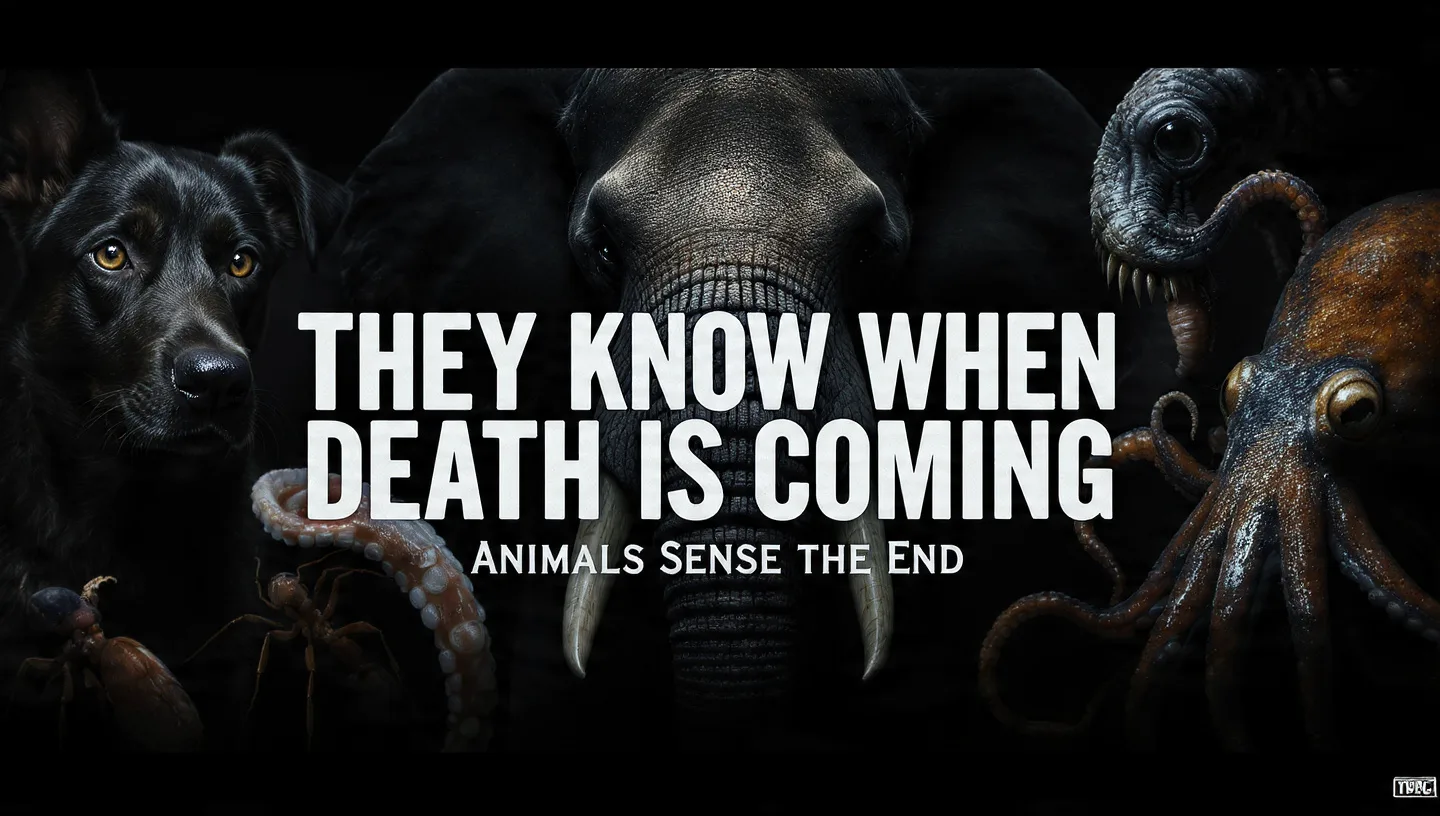

Explore More from UltraFactX Studio
Dive deeper into the universe, nature, physics, human psychology, and the mysteries of ancient civilization.